Ebrima Y. Jallow
2
Speed Read
- Online payments are now the default, not the alternative, in The Gambia
- Mobile money remains dominant, but aggregators matter more than individual wallets
- Users expect instant confirmation, multiple payment options, and one unified experience
- Security risks have shifted from technical failures to social engineering and scams
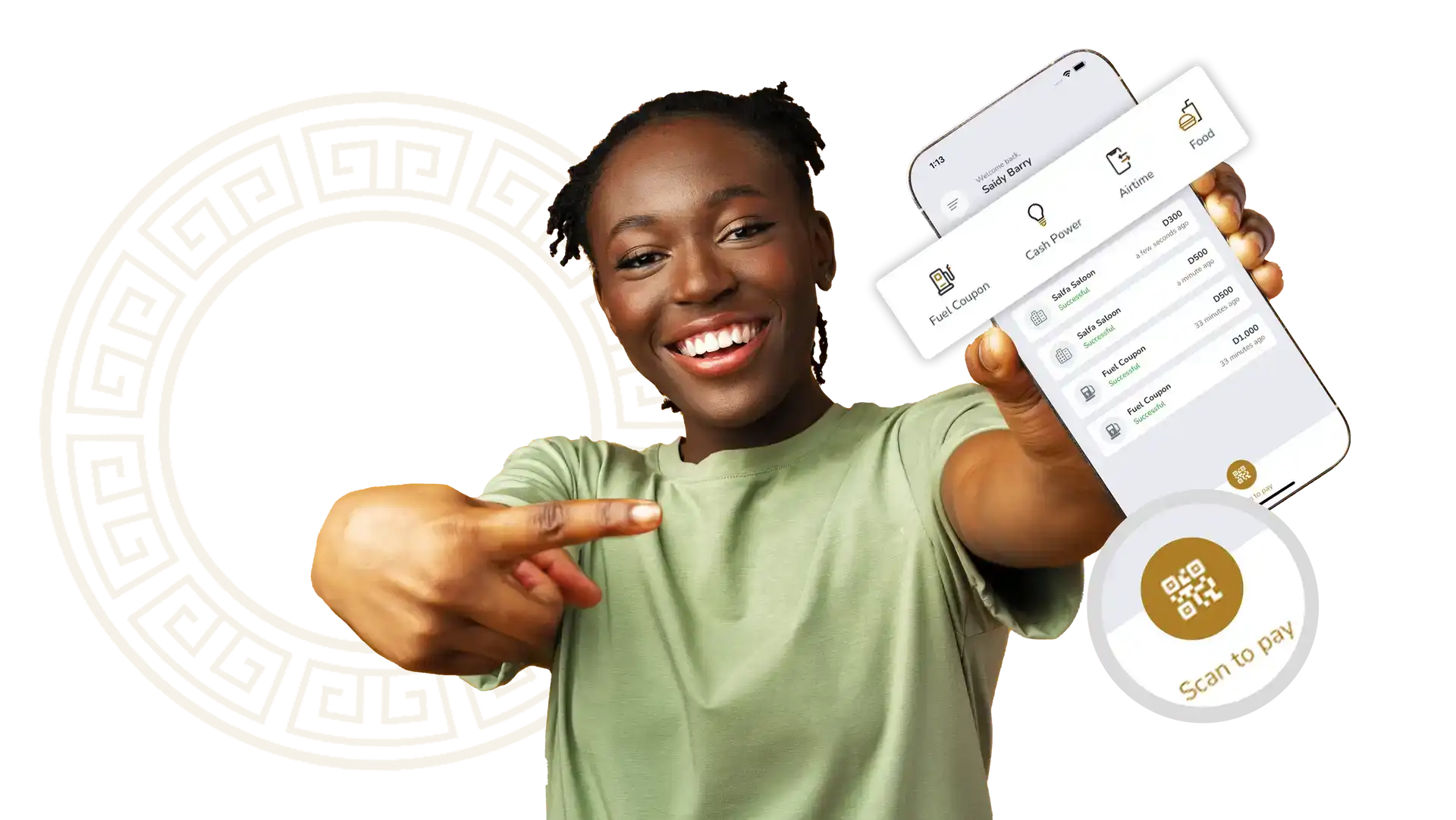
- Platforms like Waychit app are emerging as the payment layer connecting wallets, banks, cards, merchants, and institutions
Why Online Payments Matter in 2026
In 2026, digital payments in The Gambia are no longer about convenience alone - they are about access, speed, and reliability.
From paying electricity and internet bills to buying fuel, insurance, food, and airtime, Gambians increasingly expect payments to work instantly, across different providers, without cash, and without switching between multiple apps.
As internet access improves and mobile money adoption continues to rise, online payments have become a core part of everyday life for individuals, businesses, and institutions alike.

What’s Changed Since 2025?
Several important shifts define the 2026 payments landscape:
From single wallets to unified payment experiences
Users no longer want to ask “Which app do I need for this?”
They want one place that works regardless of payment method.
Growth of institutional and bill-based payments
Schools, utilities, fuel companies, insurers, and internet providers now expect digital-first payments, not cash reconciliation.
Faster settlements and real-time confirmations
Delays are no longer acceptable. Payments are expected to confirm immediately - for both users and merchants.
Higher security expectations
Users are more aware of scams, and platforms are expected to actively protect them - not just process transactions.
How Online Payments Work in The Gambia Today
Mobile Money: Still the Backbone
Mobile money remains the most widely used digital payment method in the country.
It is commonly used for:
- peer-to-peer transfers
- daily purchases
- bill payments
- fuel, food, and airtime
The key strength of mobile money is accessibility - users don’t need a traditional bank account to participate in the digital economy.
Bank Transfers: Best for Large and Structured Payments
Bank transfers continue to play an important role, especially for:
- higher-value transactions
- recurring or institutional payments
- businesses that require clear financial records
As banking systems become better integrated with digital platforms, bank transfers are increasingly used through apps, rather than directly at bank branches.
Debit and Credit Cards: Powering Online and International Payments
Cards remain essential for:
- online purchases
- international services
- web-based payments
In The Gambia, cards are most effective when combined with local payment systems, rather than used in isolation.
Choosing the Right Payment Method (Based on What You’re Paying For)
Instead of thinking in payment categories, most users now think in use cases:
- Daily payments → mobile money
- Bills and subscriptions → bank transfers or linked wallets
- Online and international services → cards
- Everything in one flow → payment aggregators
This shift is why aggregators have become increasingly important.
What Is a Payment Aggregator - and Why It Matters
A payment aggregator connects multiple payment methods - mobile money, banks, cards, and wallets - into a single system.
Instead of users and merchants juggling different apps, settlement rules, and integrations, the aggregator handles complexity in the background.
Why this matters in 2026
- Users want fewer apps, not more
- Merchants want one integration, not many
- Institutions want predictable settlement and reporting
This is where platforms like Waychit fit into the ecosystem - not as a wallet, but as a unified payment layer.
Paying with Waychit: How It Works
Getting started is designed to be simple and familiar:
- Download the app on iOS or Android
- Create an account and verify your details
- Link your preferred payment methods - mobile money, bank account, or card
- Pay for services like fuel, utilities, insurance, airtime, data, food, school fees, and more
- Track your transactions with clear payment history and confirmations
The goal is not to replace existing payment methods - but to bring them together in one experience.
Security in Online Payments: The 2026 Reality
Online payments in The Gambia are generally secure, but the biggest risks today are not technical failures - they are human-targeted scams.
Platform-side protections
Modern payment platforms typically use:
- encrypted transactions
- multi-factor authentication
- biometric access (Face ID and fingerprint)
- controlled settlement processes
User-side responsibility
Users should:
- use strong, non-obvious PINs
- enable biometric authentication
- avoid logging into financial apps on public Wi-Fi
- ignore unsolicited calls, messages, or WhatsApp requests for payment details
Important: Legitimate financial platforms will never ask for your PIN, OTP, card details, or login credentials via call, SMS, WhatsApp, or email.
Security is a shared responsibility - and awareness is your strongest protection.
Frequently Asked Questions
Are online payments reliable with slow internet?
Yes. Most payment apps are designed to work on low bandwidth and unstable connections.
What payment options are typically supported?
Mobile money, bank transfers, debit and credit cards, and multiple wallets - often through a single interface.
Are digital payments replacing cash entirely?
Not yet. But for bills, services, and business transactions, digital payments are increasingly preferred.
The Future of Payments in The Gambia
Looking ahead, several trends are becoming clear:
- Payments will be embedded into everyday services
- Interoperability will matter more than brand loyalty
- Aggregators will become default infrastructure
- Users will expect the same experience across apps, websites, and physical locations
The future is not about choosing a payment method - it’s about payments working seamlessly, every time.
Final Takeaway
In 2026, online payments in The Gambia are no longer about experimentation - they are about efficiency, trust, and simplicity.
The real question for users and businesses alike is not whether to go digital, but how many systems they want to manage.
Unified payment platforms like Waychit reflect where the ecosystem is heading: fewer silos, faster transactions, and one connected financial experience.
Digital payments are here to stay - and they’re only getting simpler.
Payment
Online Payment
Mobile Money
Card Payments
Payment Aggregator
Waychit